Let’s anticipate a 2028 backlash. On top of the other backlashes.
Will ethnicity as such be going out of style?
I live in eastern Pennsylvania. In sitting in my backyard today and thinking about future cultural conversations across and within various communities, it occurred to me that my viewpoint might soon be considered quaint, if not archaic.
I have grown up fascinated with different worlds and ways of being. I loved learning foreign languages and trying them out. In imitation of, or as a nod to my upbringing, I collected art books and art. I travelled, too, but here I am talking of my domestic life. It occurred to me it might be a good idea to think about what the future may look like after the War of Homuz, after American hegemony or its decline. Will fresh flowers in a vase still be a thing after 2027?
Up to the present month, I’ll say, it is still accepted to talk about a “Black perspective,” a “Latino musical particularity,” or an “East Asian aesthetic.” But, in the last few years, young visitors to my home do not stop and ask about an African sculpture, a book, or an original print. These things have become more than mundane. It seems that they have been flattened out of the visual world as wallpaper among many wallpapers. I sense that speaking about African heritage, paintings from Southwest Asia, or a historical print from this region’s early 19th century might be experienced as merely tedious. This was not always the case and my sense is that this sort of curiosity waned around 2021. Of course, I might be wrong.
Yet, I now wonder if current world circumstances, and national anxieties, might lead to a situation wherein mentioning or sharing anything from outside of the United States might seem pedantic and strange. I wonder if we are drifting (sometimes in spite of ourselves) to an inevitable life of isolationism, where wonder at the world’s offerings (or sufferings) seems either like an exercise in hegemonic imperialist yearnings or on the contrary, like unimportant details from far off lands. Perhaps curiosity about the rest of the world (or each other) will be seen as the performance of a useless liberalism. It seems to me we are on the verge of a society where everything is interesting, and nothing is interesting. In this society, ethnicity will be recognized but not discussed.
Perhaps in the next two years African Studies will seem disloyal, Latino studies inflammatory, and Native American studies irrelevant. Black Studies, instead of representing an opportunity to understand Atlantic histories, might be seen as a stubborn irritant. Maybe this will be the result of a certain logic of power that is emerging.
Perhaps Southwest Asian studies will be instrumentalized to enhance certain agendas of social division here, or for world commerce. Who knows? Perhaps someone will try to condense the long history of the Middle East into a shorter, banal story of displacement.
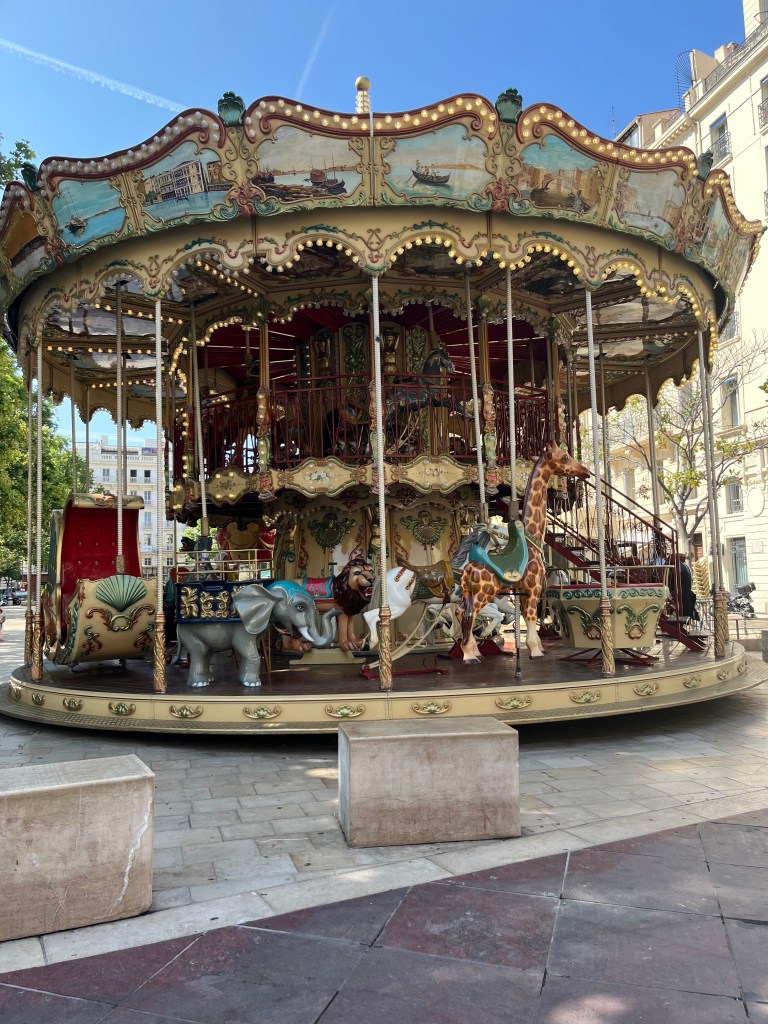
We are in a period of profound transformation. It is good that the global sinews of the world body be tested, it seems to me that is a good thing. On the other hand, I sense that in addition to the big picture, we must look at the specifics. We will after all confront these massive changes on the level of the specific and the personal.
What does anthropology mean in a post-Strait of Hormuz world? How will it exist in a world that no longer is structured around only Western imperatives? What would happen if there were a forensic study of American social science, its funding, and its itineraries? I suggest we need to think of the particular, if it is important, in order to carry elements we want into the future.
I was looking at the website of a university in Singapore. There was an African Studies research center. The listed foci were business, economics, finance, and biology. There were no rubrics for literature, social science, architecture, or the arts.
Interesting. Welcome to the mid-21st century. Lots to think about, lots to do.
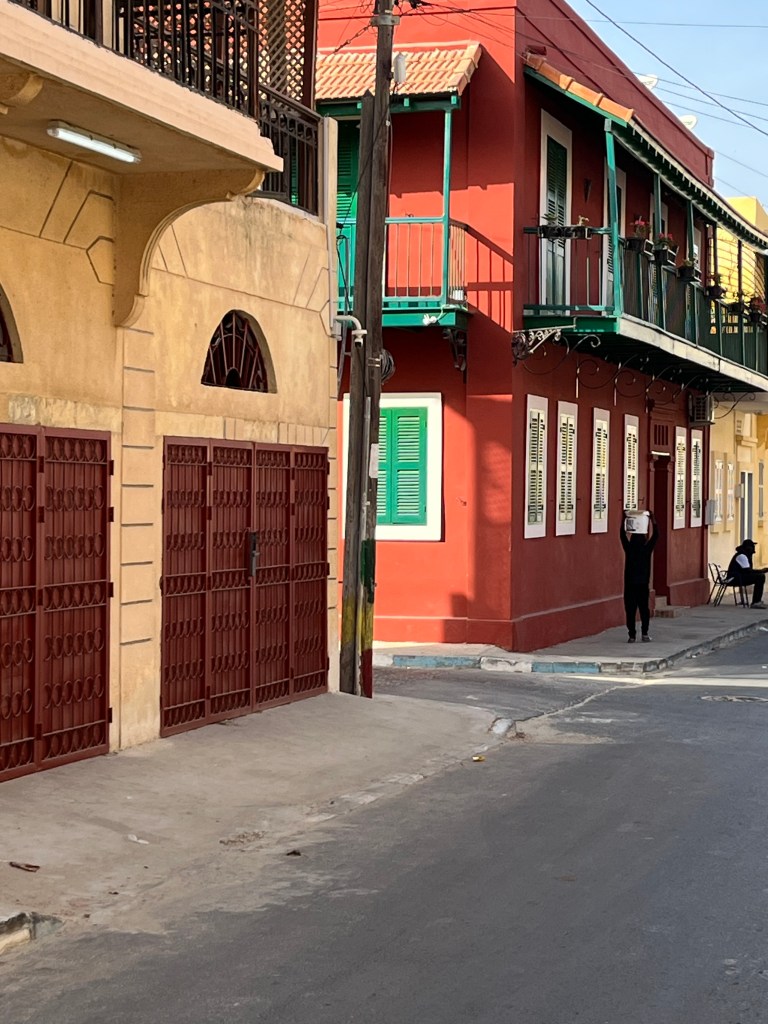
St. Louis, Senegal. 2026

